

Hewits visits New York
- Sep 1, 2015
- 2 min read
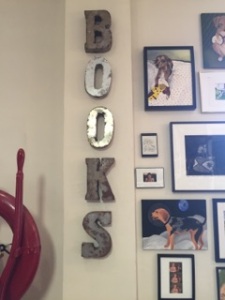
On the evening of June 24, 2015, Judith Ivry once again opened her studio to host a visit from David Lanning of Hewits Leather. It is a popular venue for Chapter events as Judy has a great space with an interesting collection of bookbinding equipment and hand tools, vintage signs and unusual artwork. Since the swap meet last year, several members had expressed interest in visiting again and we were grateful to have the opportunity to host an event that was both social and informative. We had a nice mix of members, old and new, twenty in total. There was time for eating and socializing before and after, a welcome chance to visit. David traveled from the UK to share with us a detailed slideshow presentation of the process that all leather goes through at Hewits, which is a family run business located in Scotland. We learned the three different states that the skins are shipped in--pretanned, pickled, or salt packed--and that they come from India, or South America, or in the case of pigskin for the alum tawed leather, sometimes even from Japan. There were some great short videos of the machinery in the tannery in action which helped us really understand how much hands on work goes into each finished skin. The audience was very engaged, asking questions throughout. I think they were eager to ask questions directly to the source and seemed satisfied with the thorough answers. For instance, we learned that the skins used for tanning are indeed a byproduct of the meat industry, even the calf, and that the tannery received an award for having very good systems for disposing of the waste products in a very environmentally sound way. We learned that skins from animals grown in warmer climates are better suited for bookbinding leathers because they don't have such a thick layer of fat. And most people were surprised to learn that pigment could be scraped out of a skin, a necessary step for skins that will be kept natural or dyed a light color. That's just a small taste of what we learned. I highly recommend stopping to chat with David at Standards, where you will find him behind a big pile of beautiful leather.
Comments